Cart
0
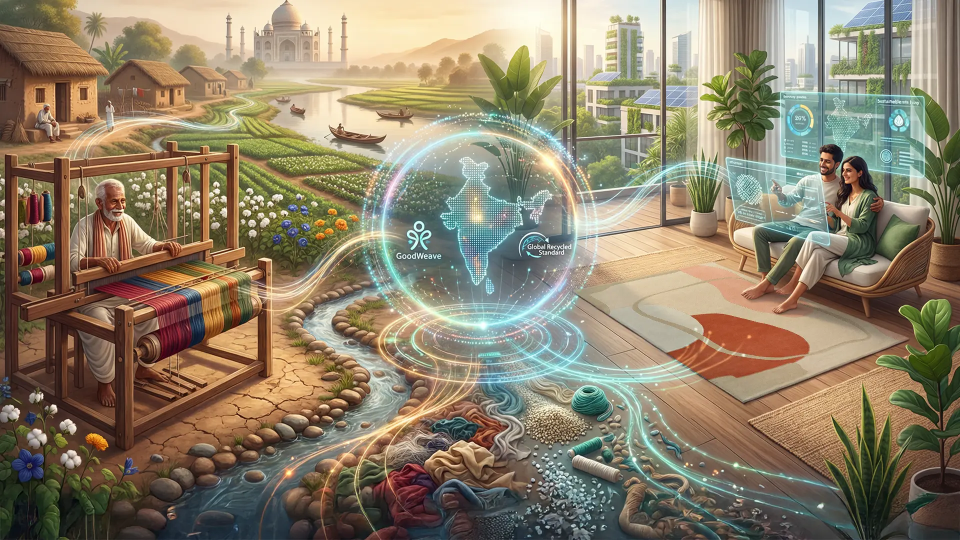
Imagine sinking your toes into a rug that whispers tales of ancient traditions and echoes with a commitment to a healthier planet. Sounds idyllic, doesn't it? We're diving deep into the world of eco-friendly rugs from India – a confluence of time-honored craftsmanship and cutting-edge sustainable practices. Prepare for a journey that spans centuries, unravels complexities, and celebrates a future where beauty doesn't come at the Earth's expense.
A Tapestry of Time: India's Ancient Roots in Green Weaving
India's relationship with sustainable practices isn't a recent trend; it's woven into the very fabric of its history. The traditions of weaving and dyeing stretch back millennia, predating the modern concept of sustainability.
Before the advent of synthetic alternatives, artisans masterfully extracted a stunning spectrum of colors from nature's palette. Beyond indigo and madder root, sources included minerals and even insects.
During the Mughal era, Emperor Akbar's patronage and the influx of Persian artisans elevated rug making to an art form, with Bhadohi and Jaipur emerging as prominent centers. The designs, often inspired by the natural world, were realized using only natural materials and time honored techniques.
What EvenIsan Eco-Friendly Rug, Anyway? (The Basics Unpacked)
"Eco-friendly" isn't just a marketing ploy; it's a philosophy woven into every fiber. So, what precisely transforms a rug into a champion of sustainability?
- 🌿 Materials: We're talking about the bounty of nature: the resilient strength of jute, the gentle embrace of organic cotton, the robust texture of wool, the earthy charm of hemp, and the dependable nature of sisal. But the story doesn't end there. The ingenuity of upcycling transforms discarded materials into treasures, think Chindi rugs born from fabric remnants and PET rugs spun from recycled plastic bottles.
- 🎨 Color: Traditional artisans understood how to coax vibrant hues from the earth, using plant-based dyes rather than harsh chemicals. Think indigo, that "blue gold" of the dye world or the deep reds derived from the madder root.
- 🤝 Mindful Making: It's about ethical production, where artisans receive fair wages, water waste is minimized, and the carbon footprint shrinks with each passing year.
- ♻️ Durability & Air Quality: An eco-friendly rug is built to endure, reducing the need for frequent replacements. These rugs champion healthy indoor air quality, free from the off-gassing of harmful chemicals.
The Not-So-Pretty Threads: Controversies and Challenges
The narrative of Indian rug making isn't without its shadows. The 19th century ushered in an era of synthetic dyes – a double-edged sword offering faster production at lower costs, but introducing significant environmental pollution.
The industry grapples with persistent issues of child labor and forced labor. Organizations such as Good Weave tirelessly fight against these injustices, striving to create a more equitable industry.
Then, there's the problem of "greenwashing," where products are deceptively marketed as eco-friendly. Spotting these deceptive practices requires vigilance and a discerning eye.
Finally, the path to complete sustainability isn't without its challenges. High costs associated with green technology and a shortage of skilled labor are significant hurdles to overcome.
The Great Green Revival: Current Trends and Conscious Choices
- 📈 Rising Demand: The demand for sustainable rugs is on the rise, fueled by consumers seeking natural, non-toxic, and ethically produced products. This surge is empowering consumers to become agents of change.
- 🏷️ Ethical Sourcing & Certifications: Ethical sourcing and fair-trade practices are becoming increasingly important. Brands are responding by ensuring fair wages and safe working conditions for artisans. Certifications like GRS (Global Recycled Standard) and GoodWeave provide a way to decode a rug's story, ensuring that it aligns with your values.
- 🇮🇳 India's Leadership: India is leading the way, combining ancient techniques with modern eco-innovation. The country's skilled weavers are a global treasure, preserving and evolving traditions for future generations.
Weaving the Future: Exciting Innovations on the Horizon
- 🔄 Recycled Materials: We're seeing the rise of rugs crafted from recycled materials, including plastic bottles transformed into chic and durable floor coverings.
- 💧 Water Conservation: Water conservation is a key focus, with the development of "dry dyeing" techniques that significantly reduce water consumption.
Factories are embracing renewable energy sources like solar power and exploring alternative fuels like rice husks. Initiatives like Jaipur Rugs' "Manchaha" program are turning waste yarn into unique masterpieces designed by the weavers themselves, empowering artisans and reducing waste.
Conclusion: Roll Out Your Values, One Rug at a Time
Indian eco-friendly rugs represent more than just floor coverings; they embody beauty, heritage, and a commitment to conscious living.
When choosing your next rug, look for certifications, ask questions about the materials and production processes, and prioritize natural, handmade, and durable options.
Your next rug can be a statement, a symbol of your values, and a step toward a more sustainable world.
Latest News & Recent Post